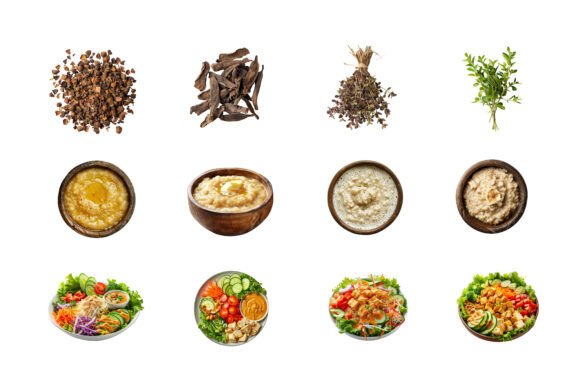
The Warm and Versatile World of Cardamom, Star Anise, and Cinnamon
In the vast pantry of global cuisine, few spice combinations evoke as much warmth, complexity, and intrigue as cardamom, star anise, and cinnamon. Together, they form a trio that bridges continents, from the bustling markets of Asia to the cozy kitchens of Scandinavia. Their unique profiles—cardamom’s citrusy pungency, star anise’s licorice-like intensity, and cinnamon’s sweet woody warmth—create a symphony of flavors that can transform both food and experience. Understanding these spices is not just for chefs; it's for anyone looking to deepen their culinary repertoire, explore wellness traditions, or simply bring more sensory richness into daily life.
A Closer Look at Each Spice
Let’s unpack the distinct character of each member of this aromatic alliance.
Cinnamon: The Sweet Foundation
Perhaps the most familiar, cinnamon comes from the inner bark of trees from the Cinnamomum family. Its sweet, slightly spicy aroma is a cornerstone in baking and desserts worldwide. Yet, its use extends far beyond apple pie. In many cultures, cinnamon is a key component in savory rice dishes, stews, and curries, providing a warm, grounding note that balances other flavors. Its perceived health benefits, linked to antioxidant properties, have also made it a staple in wellness teas and tonics.
Star Anise: The Bold, Star-Shaped Wonder
Instantly recognizable by its beautiful star shape, star anise is a fruit from an evergreen tree native to China. It packs a powerful, sweet flavor reminiscent of licorice or anise seed, but it is more intense and complex. It is indispensable in Chinese five-spice powder and is the soul of many slow-cooked braises and soups, like Vietnamese pho. Its essential oil, anethole, is also valued, and a single pod can infuse a whole pot of tea or mulled wine with its distinctive personality.
Cardamom: The Elegantly Pungent Jewel
Cardamom, often called the "queen of spices," comes in two main forms: green and black. The small green pods, containing tiny black seeds, are highly prized for their fragrant, citrusy, and slightly sweet flavor with a hint of eucalyptus. It is central to Indian chai, Middle Eastern coffee, and Scandinavian baking. Black cardamom is larger, smokier, and more robust, often used in savory dishes. Working with cardamom, star anise, and cinnamon requires a delicate balance, as cardamom’s pungency can dominate if not used thoughtfully.
The Synergy in the Trio
When cardamom, star anise, and cinnamon are combined, their individual strengths harmonize. Cinnamon provides a sweet, warm base. Star anise adds a deep, aromatic licorice note that anchors the blend. Cardamom introduces a bright, almost floral complexity that lifts the overall profile. This synergy makes them perfect for:
- Beverages: From spiced chai lattes to mulled wine and craft cocktails.
- Baking: Elevating cookies, breads, and pastries with a sophisticated spice layer.
- Savory Cooking: Creating depth in curries, biryanis, braised meats, and marinades.
- Home Wellness: Crafting soothing teas and inhalations for cold seasons.
The value lies in their versatility. A small investment in whole pods, stars, and sticks of cinnamon unlocks a world of creative possibilities in the kitchen.
Practical Applications and Considerations
To get the best from cardamom, star anise, and cinnamon, think about form and freshness. Whole spices generally retain their potency longer than pre-ground versions. Grating or crushing them just before use releases their essential oils most effectively. For instance, lightly crushing a green cardamom pod before adding it to a pot of rice, or cracking a star anise for a stew, makes a significant difference.
There are, however, considerations. Star anise is potent; one pod can often suffice for a family-sized dish. Overuse can lead to a medicinal taste. Similarly, cinnamon, especially the stronger cassia variety common in supermarkets, contains compounds that should be consumed in moderation. Exploring the sweeter, milder Ceylon cinnamon can be a revelation. And while cardamom is delightful, its pods can be expensive, making it a spice to use with intention rather than abundance.
Who Benefits Most from Exploring These Spices?
- Home Cooks seeking to move beyond basic flavor profiles.
- Food Enthusiasts interested in the cultural stories behind ingredients.
- Health-Conscious Individuals exploring natural, aromatic ways to enhance well-being.
- Creative Professionals like bakers or beverage developers looking for inspiration.
Even busy individuals can benefit by simply adding a cinnamon stick and a star anise to their morning coffee brew or simmering cardamom pods in a pot of oatmeal.
Evaluating Your Spice Journey
How do you know if diving into the world of cardamom, star anise, and cinnamon is right for you? Start small. Purchase a few whole pods of cardamom, a small jar of star anise, and a couple of cinnamon sticks from a reputable source. Experiment with a single application—a simple spiced syrup for cocktails or a fragrant rice pilaf. Notice how the flavors interact and how they make the experience feel. Do they add a layer of warmth and sophistication you enjoy?
The key is usefulness. These spices aren't just ornamental; they are tools for creating memorable meals and moments. Their value is realized not in passive collection, but in active, curious use. Whether you're crafting a holiday feast, brewing a comforting tea on a cold night, or experimenting with a new recipe, the trio of cardamom, star anise, and cinnamon offers a reliable and rewarding palette of warmth and aroma. So what are you waiting for? Your next culinary adventure might just begin with a single star.