V and Farm Safety Guides: A Strategic Tool for Agricultural Communication
In the modern agricultural landscape, clear, effective communication is paramount, especially concerning critical topics like operational safety. V represents a strategic approach to visual communication, employing simplified, iconic imagery like silhouettes to convey complex ideas with clarity and immediate recognition. For industries reliant on detailed manuals and safety protocols, such as agriculture, this visual strategy can be a powerful tool for enhancing comprehension, reinforcing branding, and achieving broader educational and promotional goals.
The Strategic Utility of V in Agricultural Safety
Farm safety guides, particularly for complex machinery like combine harvesters, must balance technical detail with user accessibility. Operators and maintenance crews need to absorb crucial information quickly, often in high-pressure or distracting environments. A V approach, integrating consistent silhouette imagery, serves several strategic purposes. It creates a visual anchor, allowing users to instantly associate specific shapes—like the distinct profile of a combine—with safety procedures. This supports faster cognitive processing compared to dense text alone.
Beyond recognition, V fosters consistency across all safety materials. From laminated checklists in the cab to comprehensive PDF manuals and training videos, using the same silhouette family strengthens the official nature of the guidance. It builds a visual language that says, “This is the authorized, standard way.” This consistency is a cornerstone of effective operational planning and risk management, ensuring that the message is unified whether a seasoned operator or a seasonal worker is viewing it.
Implementing V in Combine Harvester Safety Materials
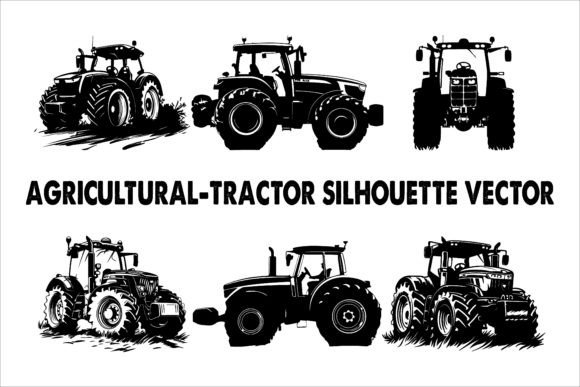
Thoughtful implementation of V in safety guides requires aligning the visuals with specific communication goals. For instance, an infographic illustrating the stages of crop harvesting and machinery use can employ silhouettes to depict the combine at different phases—approaching the field, engaged in reaping, and unloading. This simplifies the process flow, making it an effective educational tool for training programs.
Within a manual itself, silhouette icons can be used to highlight critical warnings or maintenance steps. A silhouette of the harvester’s cutting head alongside a bold “DANGER” header immediately draws attention to pre-operation inspection points. This visual cue supports better decision-making at the moment of action. For maintenance schedules, silhouettes of key components (engine, grain tank, auger) can serve as section headers, organizing the document visually and helping technicians locate relevant information efficiently, thus supporting long-term equipment care and productivity.
Extending V into Agricultural Tourism and Promotion
The principles of V are not confined to technical documents. They are equally valuable for strategic marketing and experience design, such as in promoting agritourism. Agricultural tourism relies on evoking a specific, appealing atmosphere—one of authenticity, rustic charm, and hands-on learning. Silhouette imagery is exceptionally effective here for thematic branding and clear communication.
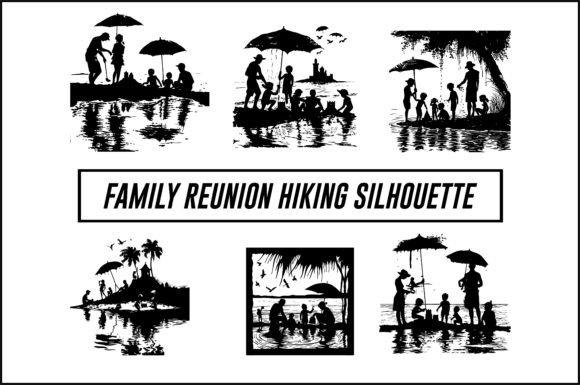
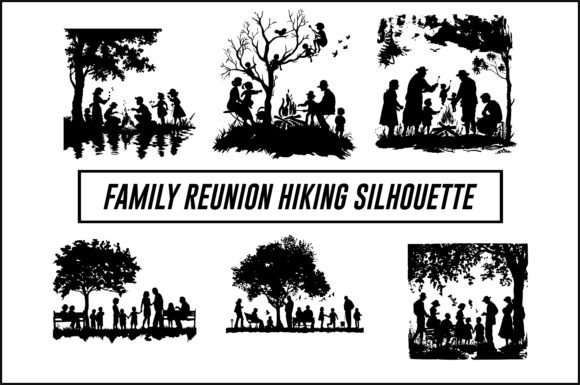
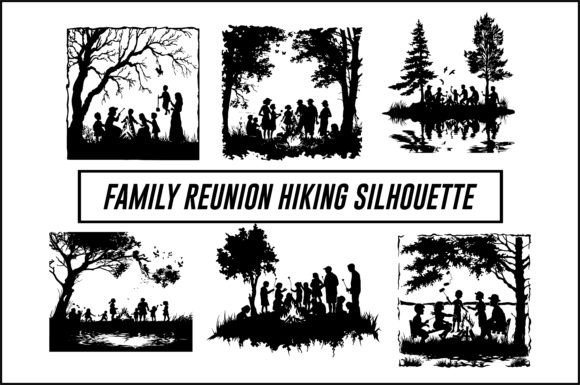
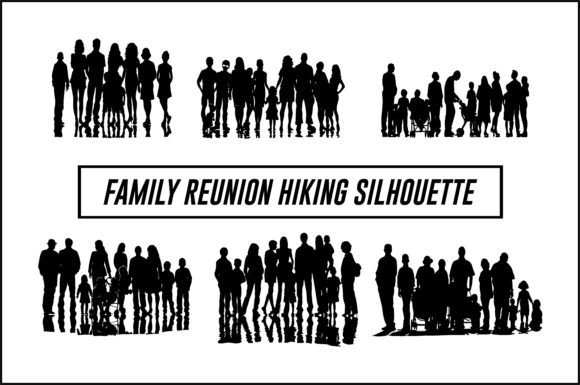
In brochures or online ads for farm tours or machinery demonstrations, silhouettes of families walking through fields, children observing a combine, or groups on a nature walk (FamilyReunion 🌟, HikingAdventure 🏞️, FamilyFun 🎉) can convey the activity without the clutter of detailed photographs. They suggest participation and a universal experience, making the promotion feel inclusive and focused on FamilyBonding and OutdoorFamilyTime 🚶♂️. This visual strategy helps potential visitors quickly grasp the offering’s core value, aiding their planning and decision-making.
Strategic Applications Across Media
Understanding when and how to deploy V across different mediums maximizes its impact:
- Graphic Design and Branding: A combine harvester silhouette as a logo symbol speaks directly to innovation and efficiency. It’s a strategic choice for equipment manufacturers or large farm operations, positioning them as modern and reliable.
- Digital and Online Use: On websites and blogs, a silhouette serves as a clean, scalable header image for articles on harvesting technology. It provides immediate thematic relevance without competing with the text.
- Print Media: For posters advertising farm machinery sales or agricultural fairs, a large, bold silhouette commands attention and communicates the event’s focus far more quickly than a busy, realistic image.
- Corporate Use: Placing a relevant silhouette on the cover of a business report about agricultural machinery trends lends professional thematic weight and visual cohesion to the document.
Planning for Intentional Use, Not Random Deployment
The risk of using V lies in its arbitrary application. Without clear goals, silhouette imagery becomes mere decoration, diluting rather than strengthening communication. Before integrating V into any project, consider the primary objective. Is it to enhance safety comprehension? Is it to streamline brand identity? Or is it to promote an agritourism experience efficiently?
Start by auditing all current and planned materials. Identify where visual overload or ambiguity exists. Plan a consistent library of silhouettes that correspond to key concepts: machinery, safety actions, tourist activities, natural elements (NatureWalk 🌿). Ensure this library is used uniformly across touchpoints. This intentional planning transforms V from a simple design trend into a strategic asset that supports long-term operational results, customer experience, and brand positioning.
Grounding Strategy in Realistic Use Cases
Consider a farm implementing both a new safety protocol and an agritourism program. Strategically, they could use a unified set of silhouettes. The same combine silhouette appears in the safety guide for operators, reinforcing a culture of care, and on the tourism website, demystifying the machine for visitors. This creates a coherent brand narrative around being both a safe, professional operation and an open, educational destination. The V approach here bridges internal operations and external promotion, a thoughtful integration that serves multiple business goals simultaneously.
Ultimately, V is a tool for simplification and focus. In agriculture, where messages must be clear for safety, compelling for tourism, and consistent for branding, this visual strategy offers a path to more effective communication. By using it intentionally—with defined goals, cross-medium planning, and an understanding of the audience’s needs—farmers, agribusinesses, and educators can make better decisions about how they present vital information, leading to better outcomes in safety, engagement, and long-term business health.