Optimizing Your Afternoon: The Business Schedule Slide Template
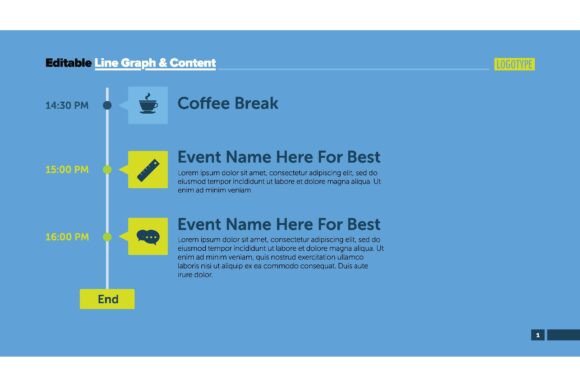
Managing the crucial afternoon hours in a business setting is often where strategy meets execution. The Afternoon Schedule Slide Template is a specialized tool designed to transform this period from a simple list of appointments into a visually compelling and strategically clear narrative. It goes beyond a basic agenda; it is a framework for presenting timelines, deliverables, key personnel, and data points in a unified, professional format.
What This Template Offers
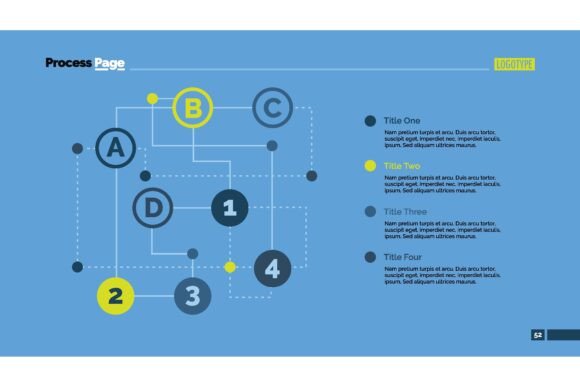
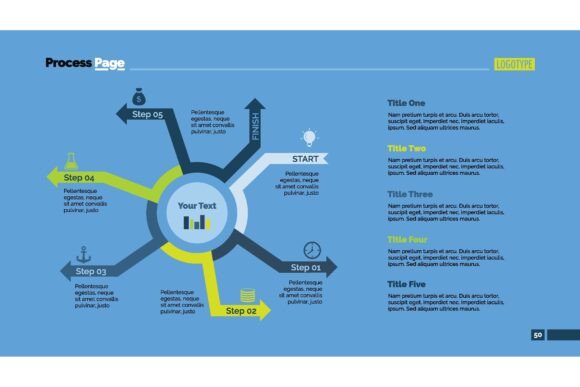
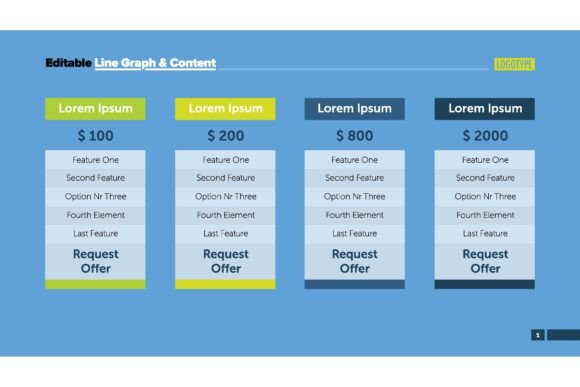
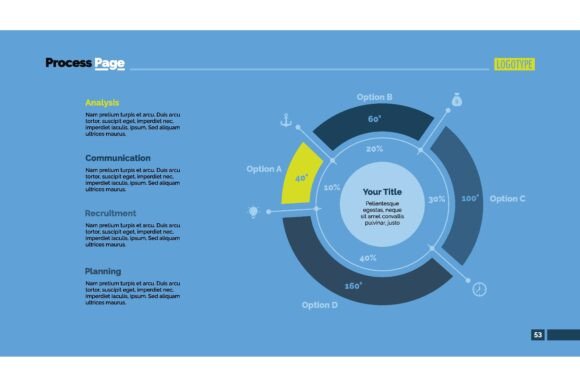
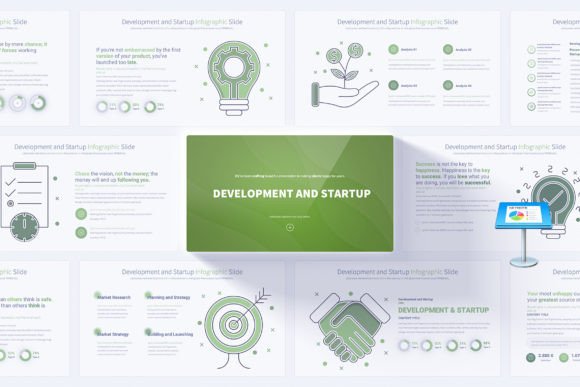
At its core, the template is a structured canvas that balances creative design elements with precise, data-friendly layouts. It captures that “magic hour” energy—the focused, productive period often after lunch—and channels it into a clear visual plan. Its primary utility lies in its dual nature: it is a practical tool for managing events and meetings seamlessly, and a creative platform for postulating and presenting design ideas. This makes it uniquely versatile.
Key characteristics include a clean, modular structure that allows for easy customization. Typically, it features segmented time slots, integrated spaces for metrics or goals, and visual cues for different activity types. Its strengths are its universal appeal and its ability to serve as an engaging infographic. Whether you are dealing with complex project phases or a straightforward client meeting block, the template provides a coherent visual language.
Practical Applications Across Fields
The value of the Afternoon Schedule Slide Template is not confined to corporate boardrooms. Its adaptability makes it a powerful asset in various environments.
Professional & Management Settings
For team leads and project managers, this template is instrumental in orchestrating strategic management. Use it in kick-off meetings to visualize the afternoon’s critical path, assigning tasks and deadlines visually. It synergizes teamwork by providing a common reference point that everyone can see, reducing ambiguity. In marketing teams, it aids in promoting dynamic strategies, laying out campaign launch timelines, content review slots, or performance review periods in a single, dynamic slide.
Creative & Educational Environments
Creators, educators, and freelancers can leverage its design. A video producer might use it to schedule an afternoon of editing, sound design, and client review phases. An educator could structure a workshop’s afternoon sessions, embedding learning objectives into each time block. Bloggers and publishers planning content creation sprints find it useful for blocking out writing, research, and publishing tasks, making the workflow tangible.
Personal & Entrepreneurial Use
Entrepreneurs and solo business owners often juggle diverse tasks. The template can help visualize an afternoon split between product development, customer outreach, and administrative work, creating a sense of order and priority. Hobbyists managing complex projects, like event planning or crafting a large piece, can use it to break down steps into manageable, timed segments.
The Tangible Benefits of Visual Scheduling
Implementing a well-designed schedule slide offers multiple benefits that impact both efficiency and outcomes.
- Enhanced Communication: A visual schedule eliminates confusion. It ensures all stakeholders—team members, clients, students—have the same understanding of the timeline and expectations.
- Improved Productivity: By visualizing the block of time, individuals and teams can mentally prepare for transitions, maintain focus, and reduce the cognitive load of constantly recalling "what's next."
- Strengthened Branding & Professionalism: Using a consistent, aesthetically pleasing template for internal or client meetings reinforces a professional image. It shows attention to detail and a commitment to clarity.
- Increased Engagement: During presentations, a dynamic schedule slide is more engaging than a text list. It holds the audience’s attention and helps them follow the flow of the discussion.
- Flexible Usability: The template can be as simple or as data-rich as needed. You can integrate key performance indicators (KPIs) for a review meeting or simply outline discussion topics.
Real-World Examples and Considerations
Consider a software development team running a sprint review. Their Afternoon Schedule Slide Template might show 1:00 PM - Demo of New Features, 2:30 PM - QA Feedback Session, with integrated charts showing bug resolution rates. A freelance consultant presenting a plan to a client might use it to visually allocate time for market research, strategy formulation, and report drafting within the proposed afternoon work session.
When selecting or implementing such a template, practical considerations are key. First, evaluate the level of detail you need. Does your audience require high-level time blocks or minute-by-minute agendas? Second, ensure it aligns with your tools. The template should be easily editable in your preferred presentation software (e.g., PowerPoint, Google Slides). Third, maintain consistency. Use a color scheme and typography that matches your company or personal brand guidelines. Finally, don’t overcomplicate it. The goal is clarity. Avoid cluttering the template with so many elements that the core schedule becomes hard to follow.
Making It Work for You
The true power of the Afternoon Schedule Slide Template is realized through customization. Start with the basic structure, then adapt it. For a creative brainstorming session, you might replace strict times with themed "idea phases." For a data-heavy financial review, you might enlarge the areas for graphs and figures alongside the schedule. The template is a starting point, a proven structure upon which you build your specific narrative for that pivotal afternoon period.
In essence, this tool transforms the abstract concept of "the afternoon plan" into a concrete, shareable, and actionable visual. It harnesses the potential of those hours, providing a framework for professionals, creators, and business owners to not only manage time but to communicate vision, track progress, and engage their audience effectively. It’s about making the schedule itself a productive asset.