The Labyrinth Flowchart Slide Template: A Business Tool for Creative Strategy
In the world of business communication, clarity is often the casualty. Complex strategies, layered data, and intricate organizational structures get lost in dense text or bland, generic charts. This is where a specialized design tool, like the Labyrinth Flowchart Slide Template, becomes invaluable. It’s not merely another graphic; it’s a conceptual framework designed to transform complexity into a visually engaging narrative. Its name evokes a sense of guided exploration—a labyrinth with a clear path—perfect for business storytelling.
A Fusion of Diagram and Design
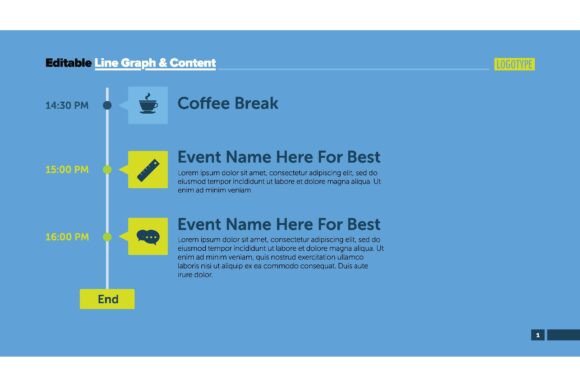
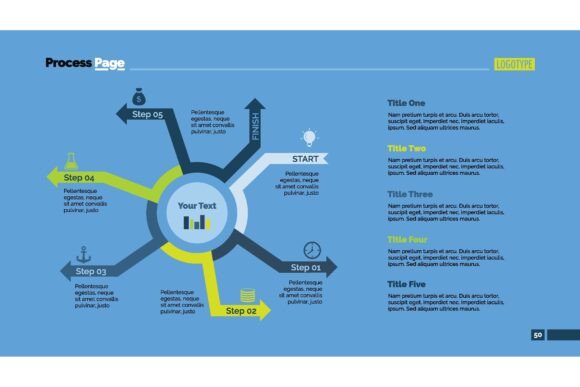
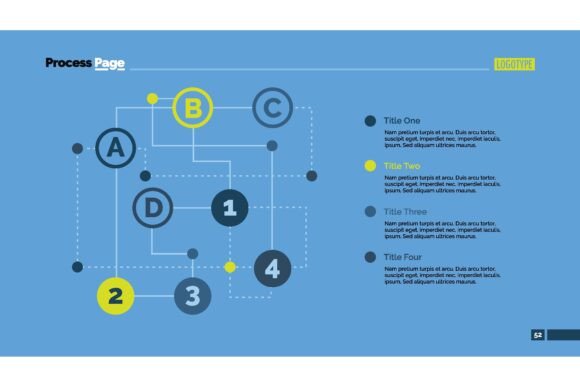
The Labyrinth Flowchart Slide Template is a premium graphic asset that masterfully blends structured diagramming with creative design. Visually, it typically features interconnected nodes or steps arranged in a purposeful, often winding path, reminiscent of a flowchart but with significant aesthetic consideration. The style leans towards modern typography and clean lines, often integrating icons, subtle color zones, and elegant connectors. Its personality is both analytical and inventive: it conveys order and logic while avoiding the sterile feel of a standard org chart.
Its overall appeal lies in this duality. For the data-driven manager, it provides a reliable structure to map processes or hierarchies. For the creative marketer or designer, it offers a canvas that elevates that same information into something compelling and memorable. This fusion makes it a versatile piece for infographics, keynote presentations, investor decks, and internal strategy documents where both accuracy and visual impact are paramount.
Where This Template Finds Its Strength
The utility of the Labyrinth Flowchart Slide Template spans a remarkably broad spectrum. In branding and marketing, it can illustrate customer journey maps, campaign rollout phases, or content strategy pillars. For management and planning, it’s ideal for visualizing project timelines, decision trees, or company growth structures. Publishers and bloggers can use it to break down complex topics into digestible, step-by-step visual articles.
Its application isn’t limited to digital spaces. In print, such as annual reports or white papers, it adds a sophisticated visual element that breaks up text-heavy pages. For entrepreneurs and small business owners crafting pitches, it helps present business models or operational workflows with a professionalism that stands out. Even for personal projects like planning a complex event or mapping personal goals, this template provides a structured yet beautiful approach. It’s a commercial font and design asset ready for professional use, but its clarity makes it accessible for hobbyists and crafters tackling ambitious projects.
Beyond Decoration: Influencing Perception and Engagement
Implementing a tool like the Labyrinth Flowchart Slide Template does more than just “pretty up” a slide. It actively influences how information is received. First, it establishes a clear visual hierarchy. The guided path naturally leads the viewer’s eye through the information in a logical sequence, improving comprehension far more than a bulleted list.
This clarity directly enhances readability of complex data. When a multi-stage process is laid out visually, the cognitive load on the audience decreases, allowing them to grasp relationships and dependencies instantly. For brand perception, consistently using such a refined template across presentations and documents signals thoroughness and creative thinking. It contributes to brand identity by providing a consistent visual motif for explaining how your business works.
The result is improved audience engagement. A well-designed flowchart is inherently more interesting to look at and explore than text. It invites the viewer to “walk the path,” increasing both retention and interest. In a competitive landscape, this subtle edge in communication can be significant, fostering greater recognition of your brand’s systematic and innovative approach.
Practical Guidance for Implementation
Choosing to use the Labyrinth Flowchart Slide Template starts with evaluating your project’s core need. Ask: is this primarily about explaining a sequence, a structure, or a relationship? If yes, it’s a strong candidate. Don’t force it onto purely textual or purely statistical content; its power is in mapping connections.
When integrating it, consider font pairing for any text labels within the template. The template itself is a graphic, but you’ll likely add headings or descriptions. Pair its often clean, sans-serif style with a complementary serif font for body text in accompanying slides for a balanced, professional look. Always review the included styles and variations of the template—some versions might offer minimalist flows, while others are more icon-rich. Select the one that matches the tone of your presentation: a sleek version for a corporate strategy, a more colorful one for a marketing plan.
Critical readability considerations involve customizing it for your context. Ensure the text you place within the nodes is concise. The template facilitates understanding, but overcrowding nodes with paragraphs will defeat its purpose. Use it as a high-level map, and let supporting slides or documents provide deeper detail.
Finally, be mindful of commercial licensing. If you’re using this template in client work, for-profit presentations, or branded materials, confirm your license covers commercial use. Most premium design assets do, but verifying this protects your work and respects the designer’s creation. Treat it as a core component of your professional toolkit.
Real-World Applications and Observations
Imagine a startup founder using the Labyrinth Flowchart Slide Template to depict their technology’s user onboarding flow in a pitch deck. Instead of a dry explanation, investors see a clear, elegant journey from sign-up to mastery, making the product feel intuitive and well-designed. A marketing agency might use it to present a proposed social media campaign structure to a client, showing how content themes, platforms, and timelines interlink, demonstrating strategic depth visually.
In editorial design, a magazine explaining a complicated policy change could use a simplified version of the template as an infographic, guiding readers through the implications step-by-step. For web design, a screenshot of such a flowchart on a service page instantly conveys the process involved, reducing potential customer confusion.
The key observation is that this template turns abstraction into artifact. It gives form to ideas. For designers and strategists, it’s a shortcut to visual sophistication without needing to build a custom diagram from scratch every time. It provides consistency across multiple projects or documents, strengthening a cohesive brand voice. It’s more than a slide; it’s a thinking tool made visible, encouraging both the creator and the audience to see the paths within the information, not just the data points. In a world saturated with information, the Labyrinth Flowchart Slide Template offers a way to navigate through it with both ease and elegance.